Planning
By ExploUganda Planning Desk · Published on June 2, 2026 • 4 min read
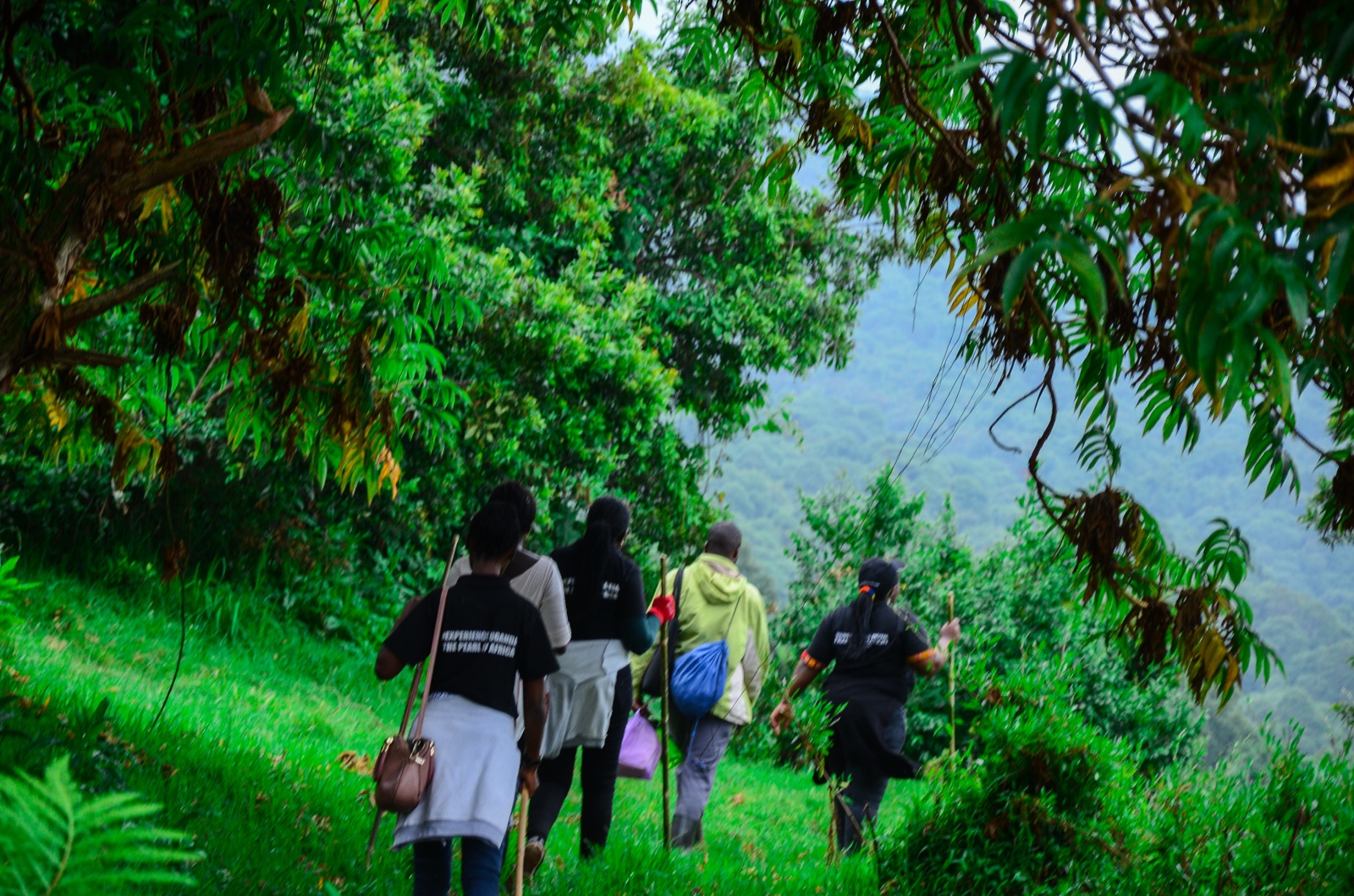
Every memorable Uganda trip is built on a small stack of paper: a gorilla permit with your name on it, a lodge bed in the right trailhead sector, a visa approval, and a yellow fever certificate. None of them are hard to get. All of them punish lateness. This guide explains what each permit costs, how fast the good dates disappear, and the order in which to lock things so nothing falls through.
What the permits cost
A gorilla trekking permit in Bwindi Impenetrable or Mgahinga Gorilla National Park costs USD 800 per person for foreign non-residents in peak months. In the Uganda Wildlife Authority low season months of April, May, and November the same permit drops to USD 600. The permit buys one hour with a habituated gorilla family, plus the ranger team, trackers, and conservation contribution that make the encounter possible.
The gorilla habituation experience in the Rushaga sector is the deeper version: four hours with a family still being habituated, at USD 1,800 per person. Only a handful of visitors are admitted each day, so this is the single scarcest ticket in Uganda.
Chimpanzee tracking in Kibale Forest runs up to USD 300 in peak season and less in the green months, while Kyambura Gorge near Queen Elizabeth is a lower cost alternative with a wilder, less predictable feel. A golden monkey trek in Mgahinga is USD 60 and pairs beautifully with a gorilla day. Rhino tracking at Ziwa on the road to Murchison Falls charges a modest sanctuary fee and needs no advance permit at all.
Why dates disappear
Gorilla permits are issued per family group, and each group accepts a maximum of eight visitors a day. Uganda has around twenty habituated families spread across four Bwindi sectors, Buhoma, Ruhija, Rushaga, and Nkuringo, plus one in Mgahinga. That puts a hard ceiling of roughly 160 permits on any given day for the entire country.
Now overlay demand. The dry windows of June to September and December to February attract the bulk of international travelers, and school holiday weeks concentrate it further. Preferred sectors sell out first, because travelers who did their homework want the sector that matches their fitness and their lodge. When people say Uganda is sold out, what they usually mean is that the convenient sectors on convenient dates are gone.
The sector detail that catches people out
A Bwindi permit is issued for a specific trailhead sector, and the sectors are hours apart on mountain roads. A traveler with a Buhoma permit and a Rushaga lodge faces a brutal early morning drive that can miss the briefing entirely. The safe order is simple: secure the permit first, then book a lodge in the same sector, never the reverse. When we plan a route we treat the permit sector as fixed ground and build the surrounding days around it.
Visas and health paperwork
Most visitors need a Uganda e-visa, applied for online before travel at USD 50 for single entry. Approvals commonly take three to five business days, but allow two weeks so a follow-up question does not squeeze your departure. If you are combining Uganda with Kenya and Rwanda, the East Africa Tourist Visa at USD 100 covers all three on one multiple entry approval.
A yellow fever vaccination certificate is checked on arrival, and your passport needs six months of validity beyond your travel dates. Malaria prophylaxis is strongly recommended year round. None of this is difficult, and all of it is easier with a month of margin.
A working backwards timeline
Nine to twelve months out: choose your travel window and pay the deposit that secures gorilla and chimpanzee permits. This matters most for June to September, December, and any habituation experience.
Six months out: confirm lodges in the permit sectors, book internal flights if you are shortening the long western drives, and lock international flights around the confirmed permit dates.
Three months out: apply for visas, update vaccinations, and arrange travel insurance that includes medical evacuation.
One month out: reconfirm every service, print permit confirmations and certificates, and break in the boots you intend to trek in.
If you are late anyway
Late planners still have honest options. The low season months of April, May, and November hold permit availability closest to travel dates and carry the USD 600 rate. Less requested sectors such as Ruhija often have space when Buhoma is full. Mgahinga is the quiet expert choice: one family, fewer visitors, and a dramatic volcano backdrop. Flexibility on any one of date, sector, or park usually finds you a permit.
Tell us your window and group size through the contact form and we will confirm real permit availability with UWA before you commit to anything.