Geography
A Landscape of Wonders
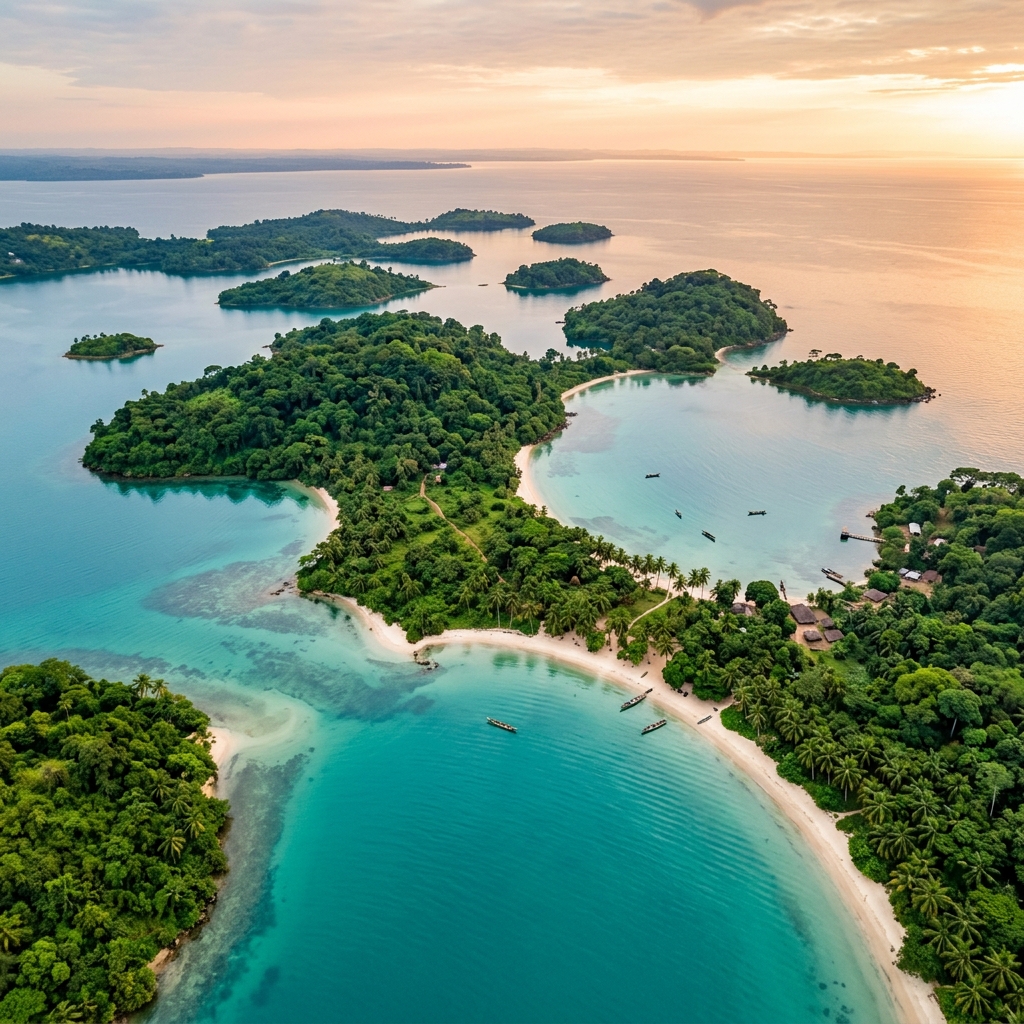
Straddling the equator in East-Central Africa, Uganda encompasses 241,038 square kilometers of dramatic topological contrast. Over 20% of its surface area is covered by lakes, rivers, and wetlands. Five of East Africa's great lakes (Victoria, Kyoga, Albert, George, and Edward) lie within its borders. Lake Victoria alone covers 68,000 square kilometers and holds the source of the Nile, the world's longest river at 6,695 kilometers.
To the west, the legendary Rwenzori Mountains (the fabled "Mountains of the Moon") rise to 5,109 meters, supporting rare equatorial glaciers that are among the last on the African continent. The central plateau maintains an average elevation of 1,200 meters, effectively tempering equatorial heat. Uganda is one of only 13 countries on Earth crossed by the Equator and one of the very few where a single traveler can stand in both the Northern and Southern hemispheres within the same afternoon.
History
Ancient Kingdoms and Modern Comeback

Long before the colonial era, the region was governed by sophisticated, centralized kingdoms, most notably Buganda, Bunyoro, Toro, and Ankole. These ancient institutions maintained complex trade networks and deep-rooted cultural traditions. Today, the Buganda kingdom remains a powerful cultural force, and the reigning Kabaka continues to hold significant ceremonial influence, deeply embedding history into modern Ugandan life.
Following a period of intense political instability in the late 20th century, Uganda has experienced decades of relative stability and sustained economic recovery. Demographically, it is one of the youngest nations on Earth, with a median age hovering around 15 years. This youth bulge is driving a culture of fierce entrepreneurialism and innovation. Consequently, modern Uganda is increasingly defined by its ambitious infrastructure development, leadership in regional tech hubs, and progressive approaches to community-based conservation.
Biodiversity
Wildlife as Serious Business
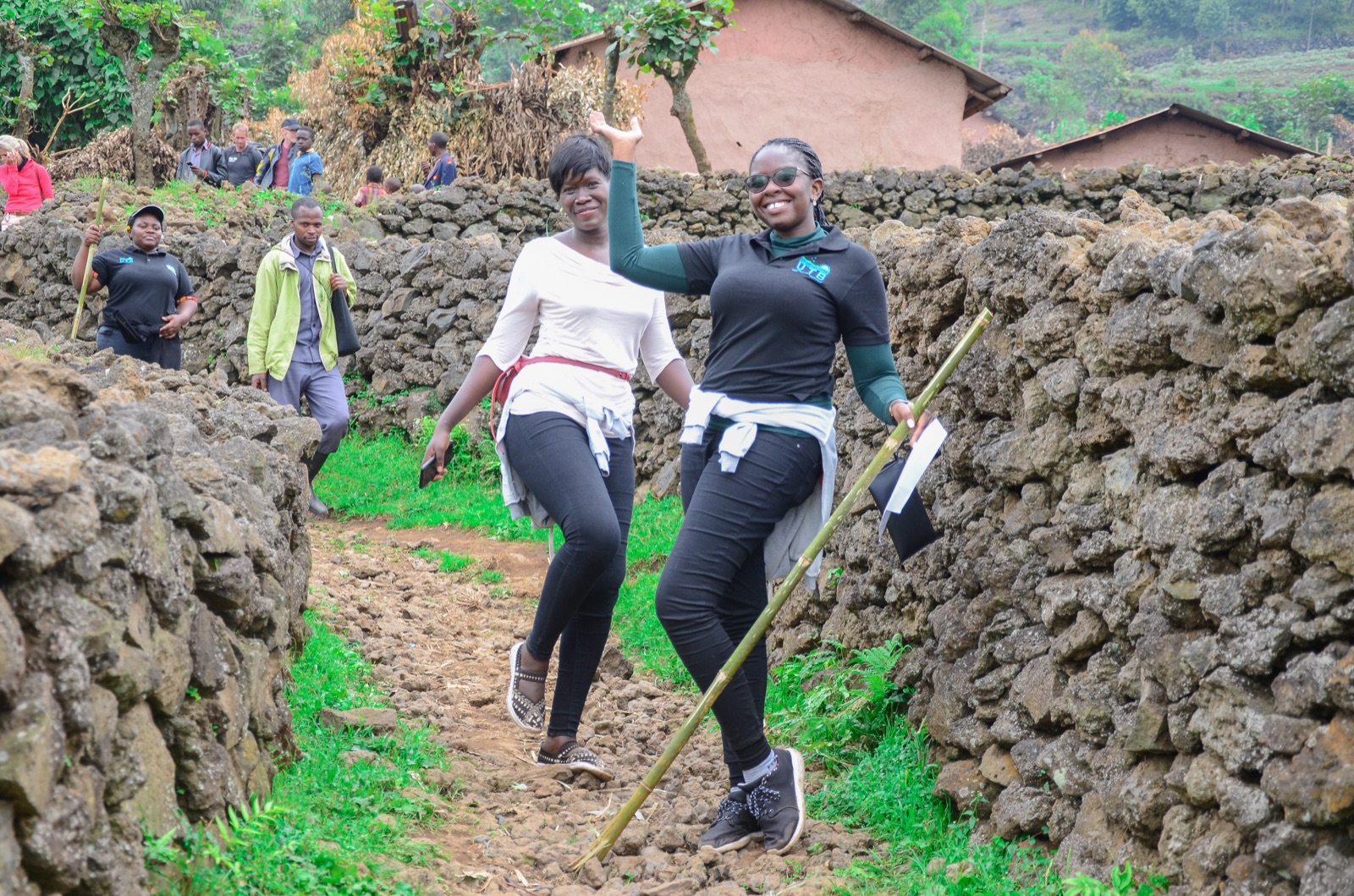
Uganda is the undisputed Primate Capital of the World. It shelters approximately 459 mountain gorillas (53% of the entire global population) across Bwindi and Mgahinga. It also hosts over 5,000 chimpanzees, with Kibale Forest alone harboring more than 1,000. Uganda is the only country on Earth where the habitats of habituated mountain gorillas and chimpanzees overlap so closely, offering an unparalleled double primate experience.
The wildlife statistics are extraordinary: over 1,083 recorded bird species represent roughly 50% of all bird species in Africa and 10% of all birds globally. The country protects this wealth across 10 National Parks, 12 Wildlife Reserves, 10 Wildlife Sanctuaries, 5 Community Wildlife Management Areas, and 506 Central Forest Reserves. Two of these parks (Bwindi Impenetrable Forest and Rwenzori Mountains) carry UNESCO World Heritage status. Uganda also holds the rare distinction of being home to both the world’s tallest people (the Karamojong of the northeast) and shortest (the Batwa Pygmies of the southwest).
Culture & People
A Mosaic of 56 Tribes
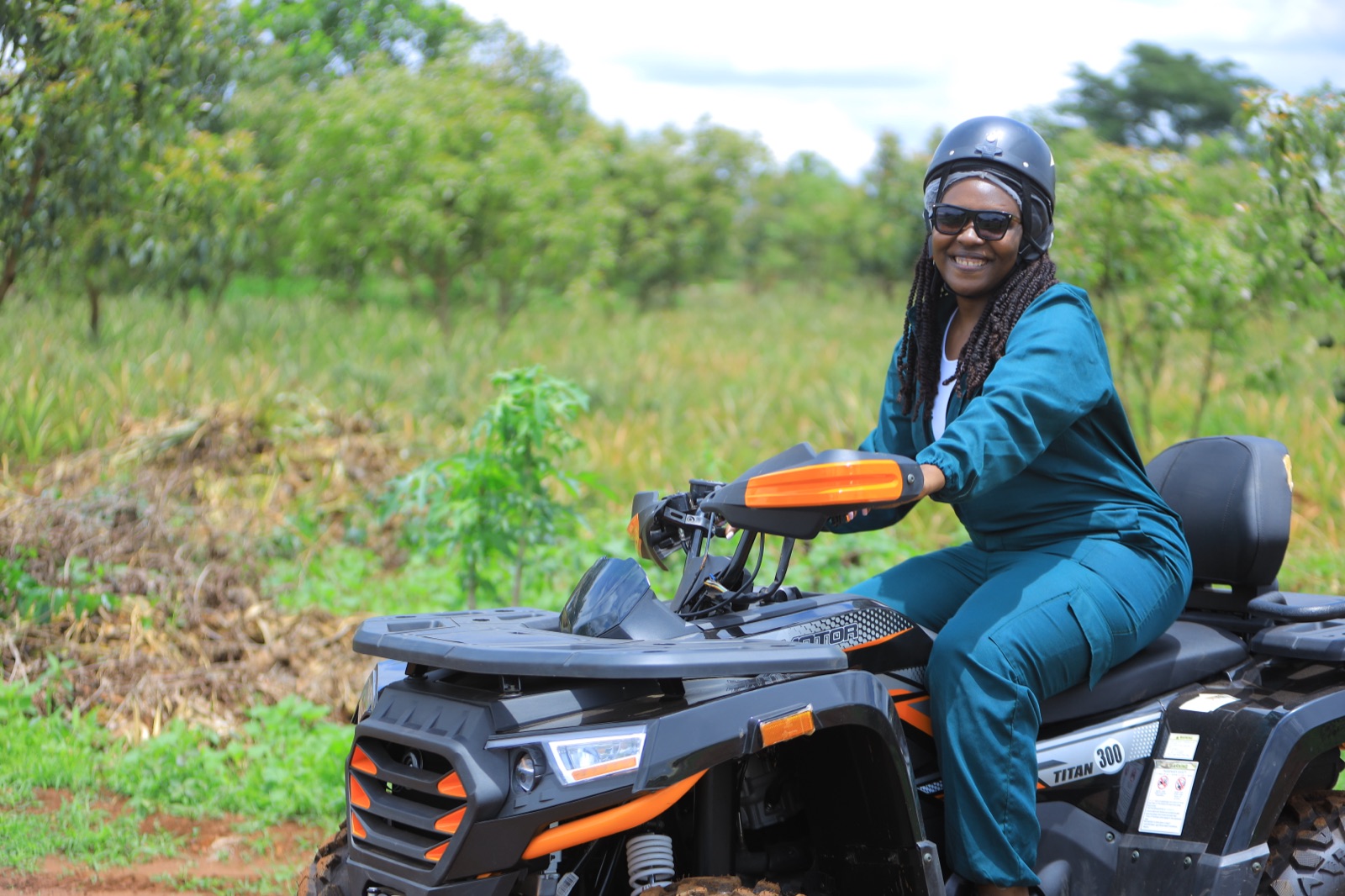
Uganda is a vibrant cultural mosaic, officially recognizing 56 distinct ethnic groups, each contributing unique traditions, languages, and social structures. The Bantu-speaking Baganda people form the largest demographic, centered around the capital and the ancient Kasubi Tombs. In stark contrast, the northern plains are home to the Karamojong, semi-nomadic pastoralists known for their fierce independence, complex cattle culture, and intricate beadwork.
Further east on the slopes of Mount Elgon, the Bamasaba are renowned for Imbalu ceremonies, a defining rite of passage. To the west, the Batwa preserve ancestral forest skills and deep ecological knowledge. This diversity shapes a national culture known for warmth, humor, and generous hospitality.
Culinary Heritage
Flavors of the Pearl
Ugandan cuisine is an earthy, hearty reflection of its incredibly fertile soils. It relies heavily on fresh, organic staples like plantains (matooke), sweet potatoes, groundnuts, and an abundance of tropical fruits. The traditional centerpiece is the Luwombo, a rich, slow-cooked stew of chicken, beef, or groundnuts steamed meticulously in smoked banana leaves, a dish originally created for the royal court of Buganda in the 19th century.
However, the modern culinary icon of Uganda is the Rolex. Born on the streets of Kampala, it wraps a vegetable omelet in fresh chapati. It is affordable, available in every town, and woven into daily life. Whether dining on Nile perch or grabbing roadside food, visitors quickly see how deeply food and hospitality are linked in Uganda.
Quick facts
Uganda at a glance
Capital
Kampala (population 1.7M in metro area)
Population
~45 Million (UBOS 2024), median age ~15 years
Languages
English (official), Luganda, Swahili + over 65 tribal languages
Area
241,038 km² (landlocked)
Currency
Ugandan Shilling (UGX)
Elevation
1,196m average, varies 610 to 5,110m