Culture
By Sarah Namatovu · Published on August 2, 2026 • 3 min read
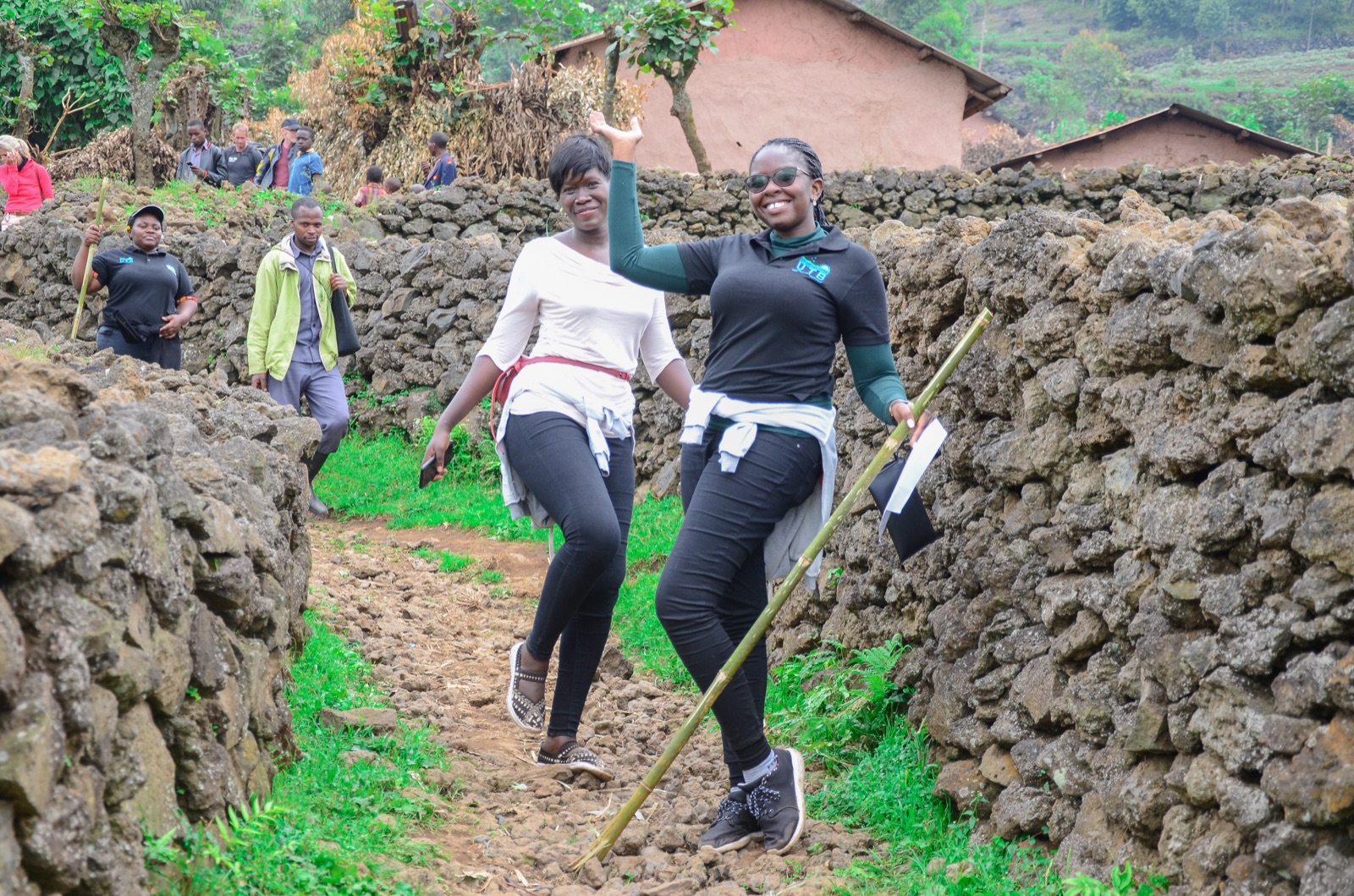
Uganda is often introduced through wildlife, gorillas, lions, elephants, the Nile. But if you spend real time here, the strongest story is human. The country has two official languages, English and Swahili, and a constitutional record of more than fifty indigenous communities. In practice, you experience many more living language traditions across markets, schools, farms, and family compounds.
Why language matters for travelers
Language shapes how a place feels. Greetings, humor, food terms, and stories all change by region. In central Uganda you hear Luganda widely. In the east, Lusoga and related tongues are common. In northern regions, Luo and Ateker language families become more visible. This variation is not a museum artifact. It is daily life.
"In Uganda, every region speaks with its own rhythm, and every rhythm carries memory."
Move a few hours by road and you can feel a shift in architecture, farming pattern, music style, and social etiquette. Matooke dominates some zones. Millet and sorghum dominate others. Marriage customs, clan systems, and ceremony formats evolve from one district to the next.
Four cultural threads worth understanding
Kingdom traditions: In Buganda, Bunyoro, Tooro, and Busoga, royal institutions still carry cultural authority and shape identity.
Pastoral heritage: In Karamoja, cattle are central to economy, social status, and oral history.
Forest knowledge: Batwa communities in the southwest carry deep ecological memory linked to forest life.
Urban fusion: Kampala blends languages and identities quickly, creating one of East Africa's most dynamic youth cultures.
The three language families on one map
Uganda's languages sort into three broad families that meet almost exactly in the middle of the country. South of Lake Kyoga live the Bantu speaking kingdoms and communities, Baganda, Banyankole, Basoga, Bakiga, Batooro, Banyoro and more, whose languages share enough structure that greetings learned in one often earn smiles in another. North and east are Nilotic speakers, from the Acholi and Langi of the north to the Karamojong and Iteso of the east, cousins in language to the Maasai and Turkana of Kenya. In the northwest corner, Central Sudanic languages such as Lugbara and Madi connect Uganda to communities across the borders with South Sudan and Congo.
English and Swahili are the official languages, and Luganda works as the street lingua franca of the central region. In practice, your driver-guide switches language several times a day without noticing, which is its own quiet lesson in what one country can hold.
Five words that open doors
Travelers do not need fluency; they need evidence of effort. In Luganda, a warm oli otya for how are you, and webale for thank you. In Runyankole country in the southwest, agandi works as a friendly hello. Among the Acholi, apwoyo says thank you. In Karamoja, a respectful ejok greets elders. Five words, learned in the vehicle between parks, change the temperature of every roadside stop.
How to experience culture respectfully
Choose community led visits, not staged performances with no local benefit. Ask questions before taking portraits. Use local guides who can translate context, not just words. Buy crafts directly from cooperatives when possible. Cultural travel is strongest when exchange is mutual and dignified.
Uganda beyond the postcard
The real beauty of Uganda is not only biodiversity. It is coexistence. Different communities, languages, and faith traditions share one national space while keeping local identity alive. That complexity is what makes travel here feel alive, layered, and memorable long after you go home.
Want a culture first itinerary in Uganda? Start on our Experiences page, then read deeper context on About Uganda.